UW Madison Helps Fight Rural Wisconsin Doctor Shortage
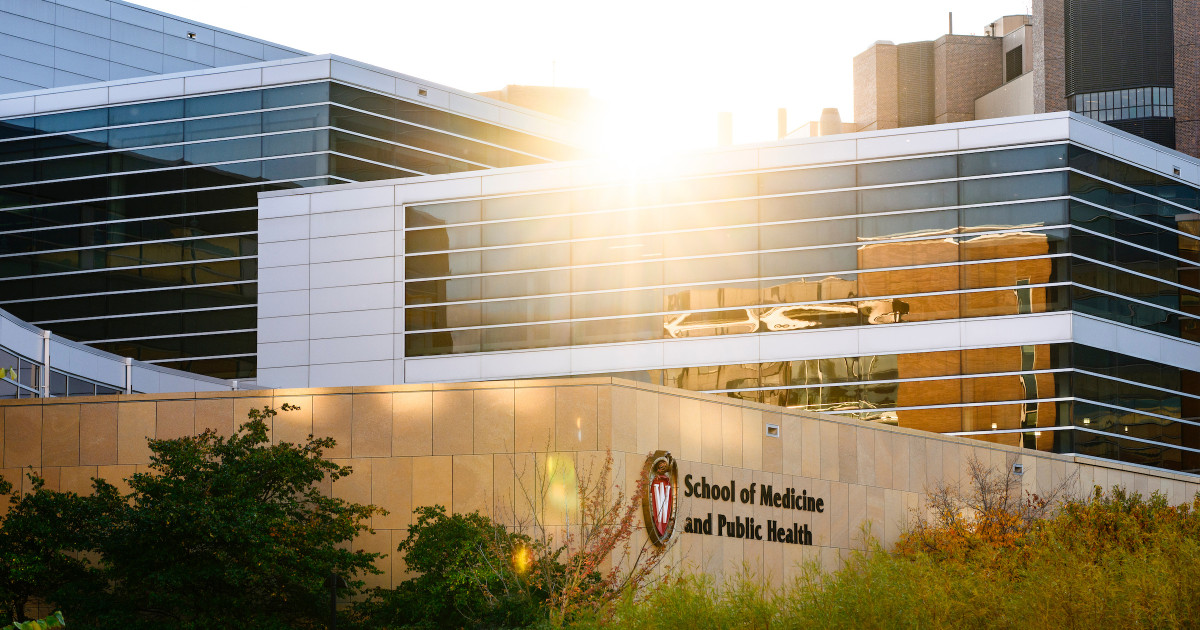
UW, Madison is partnering to build a brand new medical education campus in Wisconsin. This project will train new health workers to fix the rural health care workforce shortage. It brings fresh hope to small towns that need more doctors today.
How does the UW Madison partnership help rural health care?
Many small towns across Wisconsin do not have enough doctors or nurses to care for every patient. People living in these areas often have to drive long distances just to see a specialist or get a basic checkup. The new medical education campus will train students right in these rural communities. When medical students learn in small towns, they are much more likely to stay and work there after they graduate.
This big partnership brings top resources from UW, Madison to local areas that need help fast. It creates a steady path for local students who want to serve their home towns as health professionals. Having more clinics and doctors nearby keeps families healthier and cuts down on long travel times during emergencies. Over time, this smart investment will build a strong network of care across the state.
What causes the rural health care workforce shortage?
Rural doctor shortages happen when older physicians retire and not enough young doctors move in to replace them. Many medical schools are located in huge cities, so students get used to living and working in urban areas. Small towns often struggle to match big city salaries and hospital equipment. This leaves rural clinics understaffed and forces patients to wait weeks for simple care.
Training workers locally is one of the best ways to solve this deep problem for good. Students who practice medicine in small clinics learn the unique needs of rural families early on. They build strong bonds with local residents and understand the daily life of the community. This hands-on experience makes young doctors feel excited to build their lifelong careers in these underserved areas.
What does this new medical education campus mean for patients?
For everyday families, having a local medical campus means faster care when someone gets sick. Local clinics will soon have extra hands to take care of daily visits, routine checkups, and emergency needs. Patients will not have to waste whole days traveling to big cities for standard doctor appointments. It brings peace of mind to parents and seniors who need reliable care close to home.
This project also brings new jobs and economic growth to the surrounding local areas. Strong health care systems attract new businesses and families to small towns, which makes the whole community thrive. As more students complete their training at the new site, local health centers will grow stronger year after year. It is a big win for the future of medicine in rural Wisconsin.
What will happen next for healthcare in Wisconsin?
Leaders will continue setting up the new educational programs and welcoming the first groups of medical students. The university and its local partners will track how many graduates choose to stay in rural towns after finishing their training. Success here could serve as a helpful model for other states dealing with similar doctor shortages in remote places.
Residents can look forward to seeing new faces at their local clinics as the campus expands its reach. More health workers in the field will lower wait times and improve the quality of care for everyone. People living in small towns can feel confident that help is on the way for their local hospitals. This long-term project marks a major step toward better health for every corner of the state.


Comments
Post a Comment